
Compare Local Contractors for Business Roof Inspection Services
Compare local contractors for business roof inspections to verify experience, define scope, and set clear expectations, ensuring a reliable and well-managed project.
Business roof inspection services typically involve a thorough evaluation of a commercial property's roofing system. This process includes assessing the overall condition of the roof, identifying areas of wear or damage, checking for leaks or potential failure points, and evaluating the integrity of roofing materials. Some inspections may also include reviewing drainage systems, flashing, and ventilation components to ensure the roof is functioning properly and protecting the building effectively. These evaluations help property owners understand the current state of their roofs and determine if repairs or maintenance are needed to prevent more significant issues in the future.
Defining the scope of a roof inspection is a critical step that impacts the effectiveness and clarity of the project. A well-defined scope outlines specific areas to be examined, the types of assessments to be performed, and any particular concerns or priorities that should be addressed. Clear scope definition ensures that both property owners and contractors have aligned expectations, reducing misunderstandings and making it easier to compare different service providers. When scope details are explicitly documented, property owners can better evaluate the experience and capabilities of local contractors and select those best suited to meet their inspection needs.
Comparing local contractors for business roof inspections involves evaluating their experience, reputation, and how well their services align with the property's specific requirements. Property owners should consider the types of commercial roofs a contractor has experience with, as well as their familiarity with industry standards and best practices. It’s also beneficial to review how contractors communicate their scope of work and whether they provide detailed written proposals. Verifying references or seeking recommendations can further assist in assessing a contractor’s reliability. By focusing on these practical factors, property owners can identify service providers capable of delivering thorough inspections that meet their operational needs and help maintain the integrity of their commercial roofs.
Compare local contractors by outlining your inspection priorities, verifying experience, and setting clear expectations in writing.
- Compare Contractor Credentials - Review the experience and reputation of local contractors to ensure they meet your project needs.
- Define Scope Clearly - Establish detailed inspection requirements and expectations in writing to prevent misunderstandings.
- Verify Experience and Expertise - Confirm that service providers have relevant experience with business roof inspections.
- Request Written Estimates - Obtain detailed, written scope and service descriptions to facilitate informed decision-making.
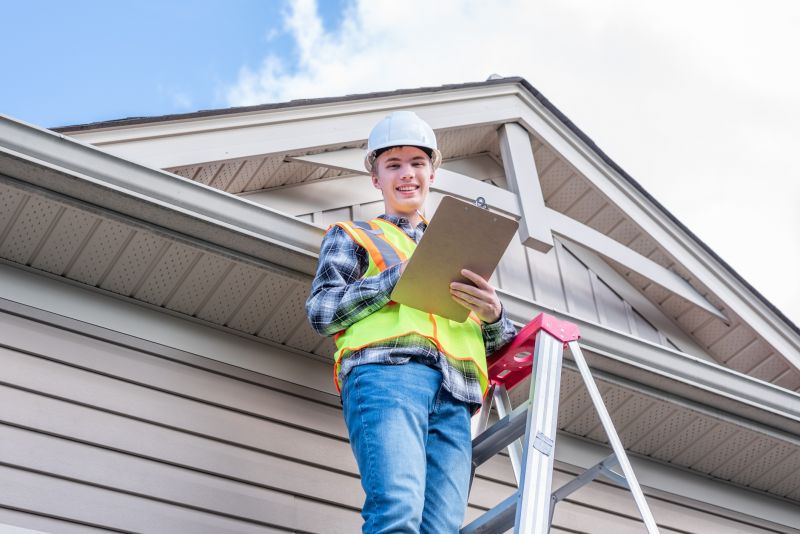
Clearly describe your business roof inspection project to help local contractors understand your needs and compare options effectively.
- Inspect roofing materials for signs of damage or deterioration that could compromise integrity. - Look for cracked, curled, or missing shingles and other surface issues.
- Check for water stains, mold, or signs of leaks inside the building that may indicate roof problems. - Assess the interior for any visible water intrusion or damage.
- Examine flashing, seals, and joints for gaps, corrosion, or wear that could lead to leaks. - Ensure all roof penetrations are properly sealed and maintained.
- Evaluate the overall roof structure for sagging, uneven surfaces, or other structural concerns. - Look for signs of foundation or support issues affecting the roof’s stability.
- Review the condition of gutters, downspouts, and drainage systems for blockages or damage. - Confirm that water is effectively diverted away from the roof and building foundation.
- Verify that the scope of the inspection aligns with specific business needs and any regulatory requirements. - Ensure service providers clearly define what will be inspected and documented.
Use this to compare contractors, clarify scope, verify experience, and set clear expectations.
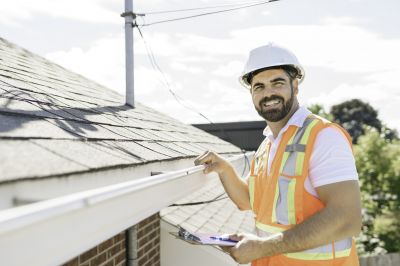

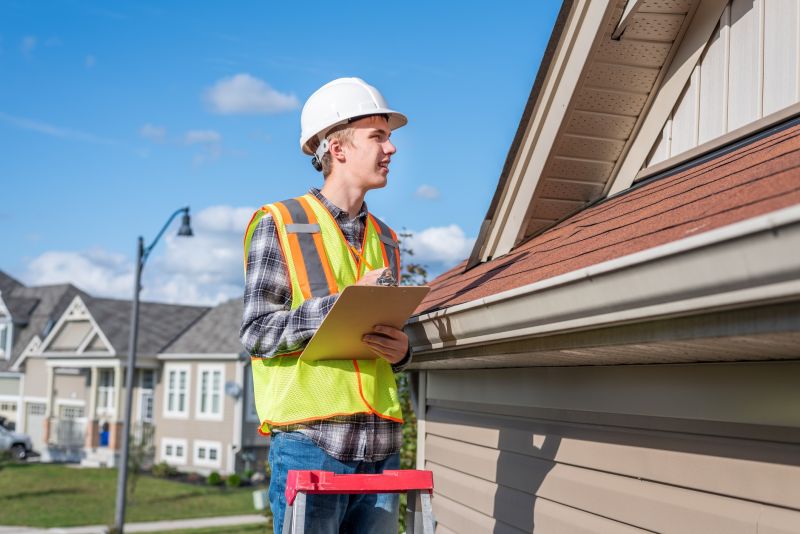
Learn how to compare business roof inspection contractors, define scope, verify experience, and set clear expectations.
- Inspection Scope - clearly define the areas and components of the roof to be examined during the inspection.
- Condition Evaluation - identify and describe potential issues such as damage, wear, or leaks that need assessment.
- Material and System Review - specify the types of roofing materials and systems present to inform inspection criteria.
- Documentation Requirements - determine what records, reports, or photographs should be provided to support the inspection findings.
- Experience and Expertise - verify that service providers have relevant experience with business roof types and inspection procedures.
When evaluating contractors for a business roof inspection, it’s important to consider their experience with similar projects. A contractor’s familiarity with commercial roofing systems, building types, and industry standards can influence the thoroughness and accuracy of the inspection. Service providers who have previously handled inspections for properties comparable in size, design, or function are more likely to understand the specific challenges and requirements of the job. Asking about their past work in similar settings can help ensure that their expertise aligns with the needs of the property.
A clear, written scope of work is essential for setting expectations and ensuring all parties agree on what the inspection will cover. The scope should specify the areas to be inspected, the methods to be used, and the types of issues to be identified. Having this information documented helps prevent misunderstandings and provides a foundation for evaluating the thoroughness of the service proposal. Service providers who can articulate a detailed scope demonstrate professionalism and a structured approach to the inspection process.
Verification basics involve confirming that the contractor’s experience and qualifications are appropriate for the project. This includes reviewing their background in commercial roof inspections, understanding the types of roofing systems they are familiar with, and ensuring they have a track record of thorough assessments. It’s also helpful to inquire about their process for documenting findings and reporting issues. Service providers who can clearly explain their verification methods provide confidence that the inspection will be conducted competently and comprehensively.
When comparing options, it’s important to focus on the quality and clarity of the proposals rather than prices. Evaluate how well each contractor understands the scope of work, the level of detail in their inspection plan, and their approach to identifying potential issues. Consider their communication style and how transparent they are about their process. By assessing these factors, property owners can make informed decisions about which service providers are best equipped to deliver a thorough and reliable roof inspection, ensuring the property’s needs are effectively addressed.
Ask contractors to provide written scope details to ensure clear expectations and consistent project understanding.
- Experience and Credentials - What experience do local contractors have with business roof inspections in similar buildings?
- Scope of Inspection - How do service providers define the scope of the roof inspection and what areas will be covered?
- Inspection Process - What methods and tools do local contractors use to assess the condition of the business roof?
- Reporting and Documentation - How will the findings be documented, and can the scope of work be clarified in writing?
- Comparison Factors - What criteria should be used to compare different local contractors' approaches and scope definitions?
What should I consider when choosing a contractor for a business roof inspection? It's important to compare the experience and reputation of different contractors, review their scope of work, and ensure all expectations are clearly outlined in writing before proceeding.
How can I verify a contractor’s experience with business roof inspections? You can ask for references or examples of previous inspections, and check how long the contractor has been performing roof assessments to gauge their familiarity with commercial roofing systems.
What details should be included in a scope of work for a roof inspection? A comprehensive scope should specify inspection areas, methods used, potential issues to look for, and any follow-up recommendations, helping to set clear expectations for the project.
Why is it important to have a written agreement with a contractor? Having a written agreement helps ensure all aspects of the inspection, including scope, responsibilities, and deliverables, are clearly defined and agreed upon by both parties.
How can I compare different contractors for my business roof inspection? Review their experience, scope of services, reputation, and written proposals to evaluate which service provider aligns best with the specific needs of the roof inspection.
What questions should I ask a contractor before hiring for a roof inspection? Inquire about their experience with commercial roofs, how they define the scope of inspection, and how they document findings to ensure transparency and clarity in the process.
This page has highlighted the importance of thoroughly comparing contractors for your business roof inspection. Visitors learned how to define the scope of work clearly, verify the experience of service providers, and set expectations in writing to ensure a smooth process. Taking these steps can help in making informed decisions when selecting a local contractor for your roofing needs.
To find the right professional for your business roof inspection, consider using the quote form to compare local contractors. This allows for an efficient way to connect with experienced service providers who can handle the job and meet your specific requirements. Exploring your options through this process can help ensure you find a suitable partner for your project.