
Compare Local Contractors for Residential Roof Replacement Success
Compare local contractors to define project scope, verify experience, and set clear expectations for your residential roof replacement.
Residential roof replacement typically involves removing the existing roofing materials and installing new ones to ensure the integrity and protection of a home. This work may include assessing the current roof's condition, selecting appropriate materials, and handling the removal and disposal of old roofing components. The process often extends to replacing underlying structures, such as sheathing or flashing, to create a durable and weather-resistant roof that meets the specific needs of the property.
Defining the scope of a roof replacement project is essential for setting clear expectations and avoiding misunderstandings. A detailed scope outlines the specific tasks, materials, and work areas involved, providing a comprehensive understanding of what the project entails. This clarity helps property owners ensure that the chosen service providers are aligned with their goals and reduces the risk of unforeseen issues or additional costs arising later in the process.
Comparing local contractors for residential roof replacement involves evaluating their experience, reputation, and ability to deliver the scope of work needed. Property owners should consider how each contractor approaches project planning, their familiarity with the types of roofing materials preferred, and their communication practices. Gathering references or reviews can provide insights into past performance, while inquiring about how they document project details and expectations in writing can help ensure a transparent and well-managed experience.
Compare local contractors by outlining project priorities, verifying experience, and establishing clear scope and expectations in writing.
- Compare Contractor Experience - Review the backgrounds and project histories of local contractors to assess their expertise in residential roof replacements.
- Define Project Scope Clearly - Establish detailed work descriptions to ensure all parties understand the work to be performed.
- Verify Credentials and References - Check references and verify experience to help identify reputable service providers.
- Document Expectations in Writing - Create written agreements outlining the scope, materials, and responsibilities to set clear expectations.
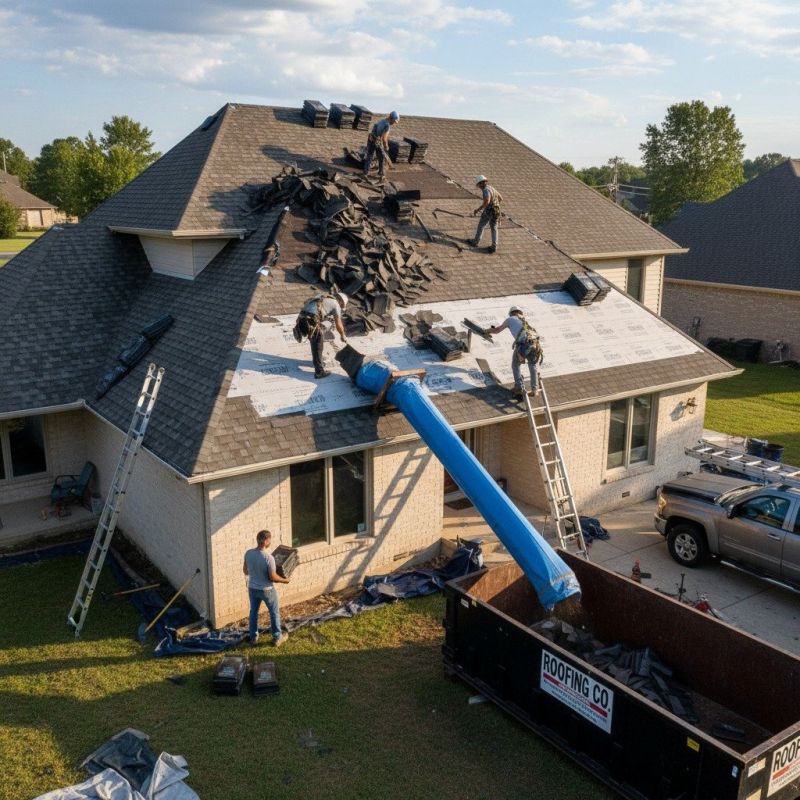
Clearly describe your roof replacement project to effectively compare options, verify experience, and set expectations with local contractors.
- Verify experience and references for residential roof replacement projects handled by local contractors. - Ensure service providers clearly define the scope of work and materials included in the project agreement.
- Check that contractors provide detailed written estimates outlining the work to be performed and materials to be used. - Confirm that all project expectations, responsibilities, and warranties are documented in writing.
- Assess the contractor’s understanding of your specific roofing needs and their proposed approach to the replacement process. - Look for transparency in communication about project steps and potential challenges.
- Compare multiple local service providers to evaluate their experience, scope definitions, and clarity of communication. - Use consistent criteria to ensure fair and thorough contractor comparisons.
- Ensure contractors are willing to provide a comprehensive scope of work and answer questions about their process. - This helps establish clear expectations and reduces misunderstandings during the project.
- Confirm that the contractor’s proposal includes details about cleanup and disposal of old roofing materials. - Clarifying these aspects ensures the project’s scope is fully understood before work begins.
Compare local contractors, clarify project scope, verify experience, and document expectations to guide your roof replacement.
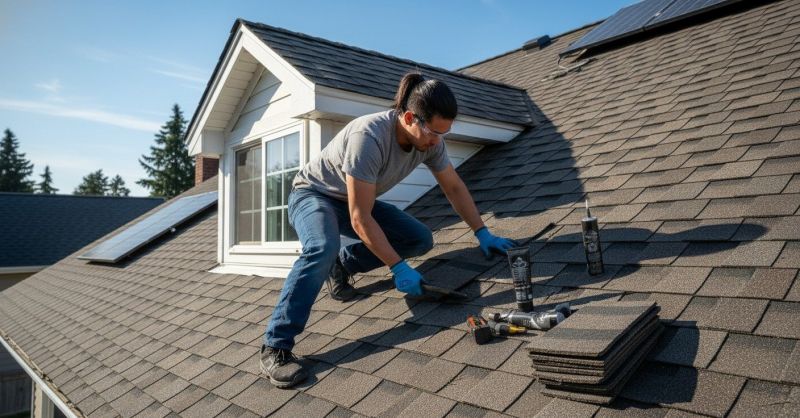
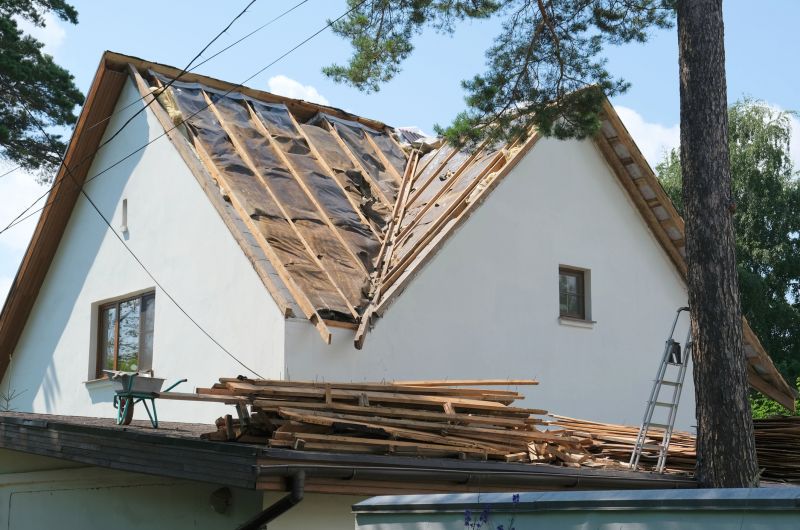
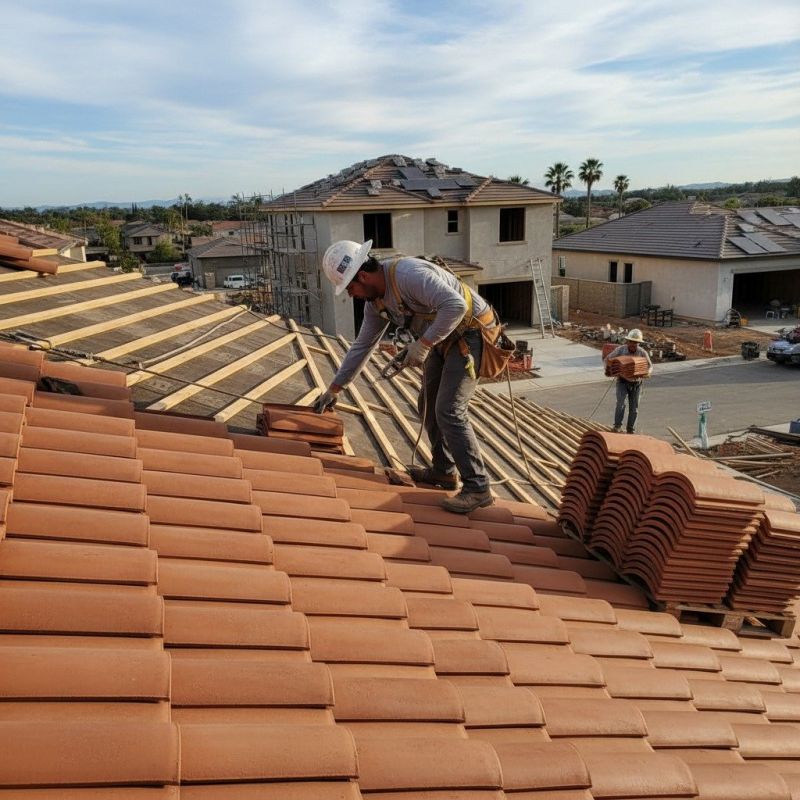

This scope builder helps you compare residential roof replacement contractors by defining work details and verifying experience.
- Scope Definition - Clearly outline the specific work included in the roof replacement project, such as materials, extent of tear-off, and any additional repairs.
- Material Selection - Specify the type, quality, and color of roofing materials to be used for the replacement.
- Project Requirements - Identify any structural or ventilation upgrades needed to support the new roof system.
- Work Limitations - Define what is outside the scope of the project to prevent misunderstandings or scope creep.
- Documentation Expectations - Ensure all scope details are documented in writing to facilitate clear communication with service providers.
When evaluating contractors for residential roof replacement, it’s important to consider their experience with similar projects. Homeowners should inquire about how many roof replacements they have completed that are comparable in size, style, and complexity. Contractors with a proven track record handling projects similar to the one at hand are more likely to understand the specific challenges involved and deliver quality results. Verifying the depth of their experience can help ensure that the chosen service providers are familiar with the nuances of different roofing materials, architectural styles, and installation requirements.
A clear, written scope of work is essential when comparing contractors. This document should outline the specific tasks included in the project, such as removal of the existing roof, installation of new materials, and any necessary repairs or upgrades. A detailed scope helps prevent misunderstandings and ensures that both parties have aligned expectations. Homeowners should review the scope carefully, asking service providers to clarify any ambiguous points and confirming that all desired work is included. A comprehensive, written outline serves as a foundation for accountability and a reference point throughout the project.
Verification basics are key when assessing potential contractors. Homeowners are encouraged to verify that the service providers have a solid history of completed projects, appropriate insurance coverage, and a reputation for professionalism. While licensing and certification are not the focus here, it’s still wise to request references or reviews of previous work to gauge reliability and quality. Confirming that the contractors have successfully completed similar projects in the past provides confidence that they possess the necessary skills and experience to handle the scope of the roof replacement.
When comparing options, it’s helpful to evaluate how each contractor approaches the project rather than focusing solely on cost. Consider the clarity of their communication, the thoroughness of their written scope, and the evidence of their experience. Ask how they plan to manage the project, what materials they recommend, and how they handle unforeseen issues. This approach allows homeowners to assess the professionalism and preparedness of each service provider, ensuring that the chosen contractor can deliver a quality roof replacement that meets the specific needs of the home without depending on price alone.
Ask contractors to provide written scope details to ensure clear expectations and consistent project understanding.
- Experience and Credentials - What experience do the local contractors have with residential roof replacements?
- Scope of Work - How do the service providers define and outline the scope of the roof replacement project?
- Materials and Methods - What materials and installation methods do the contractors recommend for your roof?
- Warranty and Guarantees - Are the scope and included warranties clearly documented in the service agreements?
- Comparison of Services - How do the local contractors' approaches and offerings differ in handling roof replacement projects?
How can I compare contractors for residential roof replacement? To compare contractors effectively, review their experience, verify references, and assess their scope of work to ensure they meet the specific needs of the project.
What should I consider when defining the scope of a roof replacement? Clearly outline the materials, extent of work, and any additional services needed, and ensure these details are documented in writing before work begins.
How can I verify the experience of local contractors? Request information about their past projects, ask for references, and confirm how long they have been performing residential roof replacements in the area.
Why is it important to have the scope of work in writing? Having a detailed scope documented helps prevent misunderstandings, sets clear expectations, and provides a reference for the completed work.
What questions should I ask contractors during the selection process? Inquire about their experience with similar projects, the materials they recommend, and how they handle unforeseen issues during roof replacement.
How can I ensure the contractor understands my specific roofing needs? Communicate your expectations clearly, review the scope of work together, and confirm all details are included in a written agreement before work starts.
This page has highlighted the importance of understanding the scope of a residential roof replacement, verifying the experience of local contractors, and clearly setting expectations in written agreements. By comparing different service providers, homeowners can make informed decisions that align with their project needs and preferences. Using the provided quote form makes it simple to connect with local contractors who are ready to assist with your roofing project.
To move forward, consider using the quote form to explore and compare options among nearby service providers. This approach helps ensure you find experienced contractors capable of handling your roof replacement while establishing clear communication and expectations upfront. Taking these steps can support a smooth and well-informed roofing experience.